Thursday, May 13, 2010

Tremor Yoga

The word yoga is here used as it can aptly be applied to the practice which is going to be described, however in this context it is not describing a psycho-physical discipline with its origin the Far East and, as well, dynamically it is the very opposite of typical hata yoga methods where absolute stillness is required in any of the various yoga postures (asanas) employed. That it may bring about some results similar to those achieved in laya yoga, in respect to what is symbolically described as the coiled serpent in Kundalini yoga and as well in the yogic practice of the psychic heat, (tūmmō) as evidenced from purely subjective experience, is indeed likely, however this practice is mostly a tonic and therapeutical exercise and, in this respect, of all things which life may offer us there is only one which we would never forsake: good health!

Tremor, as an intrinsic manifestation of our psychophysical constitution, is indicative of certain metabolic changes under particular situations such as fever, illness, physical discomfort, extreme cold and psychological stress such as fear, rage and a variety of other circumstances, both physical and psychical. As such it reflects certain states of our psychophysical stand due to sustained biochemical changes within our organism, changes which can be traced to the release of diverse neurotransmitters from the synapses in our neural networks.

Although tremor is an autonomic property of the nervous system indicative of homeostatic unbalance we can easily imitate or feign it to a certain degree by a deliberate act of will and a set goal.
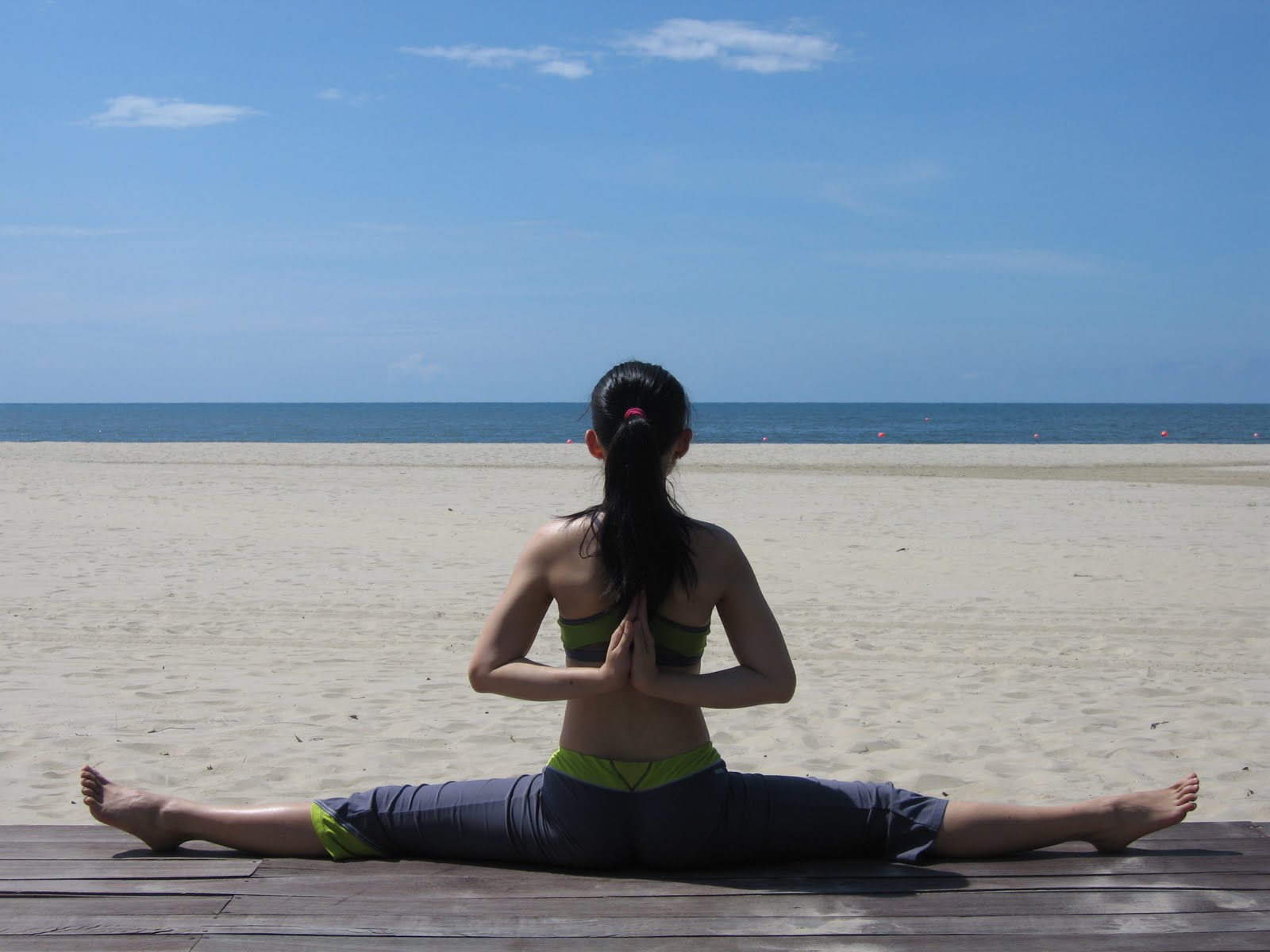
The exercise in itself is, initially, very easy in that it simply consists on generating a vibrational effect throughout the body, not dissimilar from shaking and trembling and akin to the vibration caused when you yawn and stretch your arms’ muscles. This can be effortlessly obtained by acting on the muscles in the body's trapezoidal, abdominal, and lumbosacral regions, in unison or separately, in so many ways as a practitioner can devise; anyhow, just to give an example: clench you fists and draw your scapulae inward and you will experience a strong vibration taking hold of your torso. The more you pull your muscles, the stronger tension you apply to them, the stronger the resulting vibration. This is not dissimilar from a stretching exercise but for the fact that stretching, by itself, will not generate sustained vibrations unless some other muscular structure is activated, as from the example above: if we just clench our fists we will obtain muscular tension in both arms, but if contemporaneously we pull the scapulae inward (the latter action also expands the chest) a vibration takes hold of the whole torso.

Given the easiness and lack of particular training with which tremor, or muscular vibration, can be generated it appears that it is an exercise that anyone can practice independently of sex and age and, nonetheless, even in those cases where physical ailments are extant. All in all it requires just a conscious act of will and giving due time to the exercise itself; as stressed above, tremor can be obtained in variety of ways which can best suit, or satisfy, the practitioner’s exigencies. While is just a matter of simple practice to devise a method which is personally more suitable, the vibrational activity should be extended to the abdominal and the perineal regions so that the vibration is fully felt all the way between the neck and thighs. It takes practice, but this is the part of the exercise where similarities with laya yoga and psychic heat (tūmmō) may be discerned and where health may be influenced for better. It goes without saying that coupling the exercise itself with a beneficial breathing practice will surely add to its positive effects. However, in the latter case, at least initially it is not easy to properly direct the mental concentration to two simultaneous activities, namely that of maintaining a steady vibration and that of sustaining a regular, conscious, breathing exercise. That will be achieved with due practice and the process will become automatic; if so willed, since the tendency to concentrate on the bodily vibrations apparently is stronger and both activities must be properly synchronized.
Basically, and in an extremely simplified description, the process behind the exercise can be traced in the following metabolic processes: we know that the resonant frequency of a nerve impulse is of about 360 cycles per second and that it can reach, under excitation, a maximum frequency of about 500 cycles per second. As well, we know that when a nerve cell is stimulated a single electrical impulse starts from a value of negative 60 millivolts, crosses a zero point and rises to a value of 60 positive millivolts; this potential then falls again, crosses the zero volt threshold of the cell's membrane, and again becomes 60 millivolts negative when the nerve cell comes to rest again. These differences of potential and frequency in the nervous system act on the permeability of the nerve cell’s membrane consequently favoring greater or lesser biochemical activation and exchange. Hence, more likely in the case in object, a balancing biochemical reaction, which in the last analysis is what lies behind good health. "The cell is indeed a machine";1 it is within our powers to tame it.

This means that the exercise acts on all the components of the nervous system favoring, mechanically, a relaxation between tissues while, from a neurological and electrochemical point of view, we can envisage sustained favorable biochemical processes with a tendency to promote physiological equilibrium and in some instances even healing of certain ailments.

As related to personal experience, this exercise was devised in response to the excruciating and intractable pain generated from cervical spondylitis and the constant heavy need of analgesics in order to try living a normal existence. The immediate result was neither healing nor reshaping anew the encrusted cervical vertebrae but a remarkable remission of pain and long intervals between attacks which were almost daily. Hence a long practice with the technique itself and variations of the same followed so much so that the exercise, which can be practiced at leisure anywhere, has become almost addictive. Deep relaxation ensues after the exercise; a breathing exercise is practiced altogether.

In some instances, although not invariably, another effect, not easy to come about and reminiscent of what is what is known as psychic heat is that the abdomen and subsequently the thorax and above experience an intense pleasurable heat; in this particular case time and mental relaxation play a prominent part. Another physiological effect is arousal which may be sustained indefinitely so long as the exercise is carried out, and this happens if during the induced vibration constriction is applied to the muscles in the sacral region. This last effect, which very likely is cardinal to some practices of Tantric yoga, is brought about spontaneously and without any physical contact or mental imagery - namely, without induced stimulation whether physical or mental - hence it unmistakably indicates that the arousal mechanism of the brain is spontaneously affected; to state it differently, it unequivocally testifies to the strong metabolic and physiologic influence that the exercise exerts. Together with the psychic heat, it suggests similarities with some practices related to laya yoga. Additionally, applying force to both the sacral and abdominal muscles will give rise to “spikes” in that some jerky muscular contractions will abruptly raise the trunk if supine - since this may issue also as a sudden and violent reaction, proper control is necessary.2 However, stabilized at a reasonable intensity, it will bring about an orgasmic effect. Properly forcing - without undue exertion which could bring about "spikes" - only the abdominal and coccygeal muscles to the exclusion of all other muscles will give way to a soft, almost subliminal, vibration in the whole organism. Possibly this should be the aim of the exercise since in the latter case the least effort is required and the best result obtained. With due stress on the fact that the observed results are strictly subjective, as a closing remark emphasis is to the effect that the outcome of the exercise is a substantial sense of power, of accumulated energy.

It may not be farfetched thinking that, under proper supervision, this exercise might help several myopathies, diminish seizures in epilepsy, reduce compulsive behavior, and therapeutically aid other ailments since brain stimulation can potentially help in a wide range of disorders.

If you are keen on meditation practices, something additional is indeed worth trying; its import will be self-evident as we read along.

When we look at a building in its complex, we perceive its outlines; then within the same its distinctive features strike our imagination: nice outfits and ornaments, or old and falling apart, or whatsoever. We hardly, if ever, give a thought to that which is hidden beyond the plaster, namely, bricks, stones, cement or whatever keeps it standing. Sadly, we normally do the same thing when we look at or think about our physical temple. We perceive an image and appreciate its youth, or its beauty; or we despise its manifest old age, or its ugliness and all sort of things. All in all we perceive a living entity, so dressed, so moving, so behaving, or so attractive or so repulsive. We look at it just like we look at the building above mentioned; we hardly if ever give a thought to the hidden structure which lies beyond the skin and bones which keeps it together. We are struck and narcissistically attached to the outward appearance. This hidden structure however, as we are too well aware, is made up by a myriad of living organism at a very primitive level, acting in concert – the cells which make up the various important organisms within the body itself. Each of these cells, singly among thousands of billions of them, has a life of its own, a motive power and intelligence and thence this temple of ours, as such, is not an individual living being but the sum total of uncountable microscopic organisms’ lives, each thriving with an exact purpose, an unerringly set goal. As to the purpose of this remark: so much so as it is useful to look within our mind, on the other side of the rope something equally precious is hanging but we never give it proper attention. We are hardly conscious that these myriad of lives are the very pedestal not only of our physical frame, but as well of our mind and that this complex frame of ours should, likewise, be properly visualized for what it is and not from the outward appearance of the structure. Looking at ourselves in such a wise a different reality is perceived, a greater, incomparably richer image teeming with life strikes our mental vision and widens its horizon towards border-less visions. Calling it “our physical temple” is not inappropriate because here it is that, like in prayer in a holy place, a greater discernment of our real place in nature, as well as a greater understanding of the nature within ourselves develops and matures; a keener view of what we really are.

Adapting this vision as it better suits you, you should cling to the same while doing the tremor exercise, possibly at that level which above was termed as subliminal vibration. Here you may find yourself as rigid as a corpse but, nevertheless, you will have the unspeakable feeling of every single atom vibrating in your organism.

Tremor Theraphy Yoga - Stimulus/Activating 
Central Nervous System
Of the many kinds of neural activity, there is one simple kind in which a stimulus leads to an immediate action. This is reflex activity. The word reflex mean - automatic response of a muscle or several muscles to a stimulus that excites an afferent nerve. The term is now used to describe an action.


The nervous system
The human body consists of billions of cells organised into TISSUES, ORGANS and SYSTEMS, each having its own special function. These must be co-ordinated by the nervous system because body’s activities are related one to the other. When there’s a change in the organism’s environment, the STIMULUS, a nervous response, takes place. These stimuli must be detected by RECEPTORS that have to transmit IMPULSES along networks of specialised nerve cells, the CONDUCTORS. They must lead the impulses to EFFECTORS that are the responding organs which transmit the response to the stimulus (muscles and glands are the most common effectors). The tissue of nervous system is made up of nerve cells, the NEURONS, that are the functional unit of this system. A neuron is a specialised unit consisting of a CENTRAL OVAL CELL BODY and its OUTGROWTHS. The central part of the cell is the NUCLEUS surrounded by the CYTOPLASM, or NEUROPLASM. Within the cytoplasm there are GRANULES called NISSL BODIES that are the SOURCE OF ENERGY for nervous activity and are involved in PROTEIN SYNTHESIS since they are rich in RIBOSOMAL RNA. The outgrowths are extremely thin NEUROFIBRILS that form branches in order to form either an AXON or DENDRITES, the channel which the IMPULSES are conducted along. The one or more branching dendrites take impulses to the cell body while the single axon detaches the impulses away from this.

The nervous system is a continuous transmitting system. The impulses which travel along the nerve fibres are electrical and chemical. There is no PROTOPLASMIC CONTINUITY between neurons and so there is functional connection between the axon of one neuron and the dendrites of another, the SYNAPSES. A synapse consists of a microscopic gap between two adjacent nerve fibres. Each terminal branch of an axon has a minute swelling which lies close to the tip of a dendrite of the next neuron, without actually touching it. Transfer of the impulses across the synaptic gap occurs when the arriving impulse causes the release of a chemical transmitter, which carries the impulse across the gap and then affects the next neuron. The chemical transmitter is ACETYLCHOLINE that bridges the gap.

The neuron system is divided into parts that are:
- Central nervous system formed of BRAIN and SPINAL CORD
- PERIPHERAL nervous system
The spinal cord begins as an extension of the MEDULLA OBLONGATA of the brain just below the FORAMEN MAGNUM of the skull. It lies within the neural channel of the vertebral column. The cord is divided into two incomplete halves along its entire length due to:
- a deep dorsal/posterior fissure
- a wider anterior/ventral fissure

A cross-section of the cord shows that the GREY MATTER, in the shape of an H, is centrally situated, while the WHITE MATTER is external situated to this.

The spinal cord functions automatically and is not controlled by WILL. It conducts impulse to and from the brain, it controls the REFLEX ACTIONS of the brain and it co-ordinates muscular movements. A reflex action is a rapid AUTOMATIC RESPONSE by an organ to a stimulus outside of the central nervous system. The response is an involuntary reaction which doesn’t involve the brain for its starting. A REFLEX ARC is the route along which the impulse must go to bring about a reflex action, that can only take place if there is a complete reflex arc. When there is a change in our body the sensory receptors in the skin receive the stimulus. Then the physical stimulus is transformed into a nerve impulse which is transmitted by the sensory nerve fibres to the spinal cord. The impulse enters the cord and passes from one neuron to the next over synapses until it passes out of the cord and is conducted to the muscles of the part of the body hit (the effector). When the impulse is transmitted to the effector, the muscles of the part contract and withdraw the part of the body hit from the stimulus. During or after the reflex action has taken place, the impulse may be transmitted by neurons to brain where the impulse is converted into a perception, and the person becomes conscious of the stimulus. Then the brain can have an influence on the reflex action.


The five senses
The five senses of our body are: SIGH,SOUND (HEARING), TOUCH, TASTE and SMELL.

TASTE:
Taste buds are groups of sensory cells found on our tongue and also in the skin lining the mouth and the throat. The testes on our tongue are: SWEET, SALTY, BITTER and SOUR.

Sweet tastes are perceived in the middle of our tongue; bitter tastes are perceived at the back of our tongue, sour tastes are perceived on the sides of our tongue, salty tastes are perceived at the tip and edges of our tongue.

It is very important to say that the sensations of taste and smell often function together.

SIGHT:
The eyes are placed in the BONY SOCKETS and are surrounded by a layer, the FATTY TISSUE. There are 6 muscles that are connected with the eyeball and that permit to the eyes to move in a lot of directions. The eyes are protected by EYELIDS. In the superior part of the eyes there are some GLANDS that secrete a WATERY FLUID which washes the eye, keeping it clean.

The wall of the eyeball consists in 3 layers of cells: the SCLERA, the CHOROID, the RETINA. The sclera in the outer layer of the eye. It is white and in front it is transparent and it is called CORNEA. The principal function of the sclera is to protect inner layer and the inner part of the eye and maintain the shape of the eye. The principal function of the cornea is to allow light rays to enter the eye and help to focus them. The choroid is the middle layer of the eye and it absorbs excessive light and gives rise to the IRIS and PUPILS. The choroids gives rise to the CILIARY BODY that is composed by CIRCULAR CILIARY MUSCLES. The LENS is attached to the ciliary body and it is biconvex, elastic transparent structure and it is surrounded by a thin membrane called THE LENS CAPSULA. The iris contains the PUPIL, whose size is controlled by muscles. The iris function is regulate the light entering the eyes. It also gives the eyes its colour. The retina is the innermost layer of the eye. It has 2 particular cells: the RODS and the CONES. The rods aren’t sensitive to strong light while the cones are sensitive to intense light and colour stimuli. The area in front of lens is filled with a watery fluid. Also the area behind the lens has a fluid that contains NUTRIENTS and VITAMINS. The eye glands contain the enzyme lysozyme which keep the eyeball free from infections.

SMELL:
The sense of smell permits us to perceive scents and smells. The chemical stimulation of the nervous fibres in the nose permits to smell, gases can only be detected after they are dissolved in the moisture in the nose.

The olfactory receptors are chemical receptors and their function permits to smell. We have about 10.000.000 of these receptors and some of these are sensitive to molecules for example of food; others are sensitive to others particular molecules.

SOUND:
One of the sense is the sound through it we can ear sounds. The ear is divided into 3 distinct regions: outer, middle and inner ear. The outer ear consists of two parts, the PINNA and the EXTERNAL AUDIORY CANAL. The pinna is the part of the ear projecting at the side of the head, it is only found in mammals. It is composed of cartilage covered with skin, the lower part, the LOBE, is mainly connective tissue. In the cavity of the pinna there are SMALL, FINE HAIRS which serve to keep foreign objects from entering the ear. The pinna’s function is to direct sound into the auditory canal. The other part of the outer ear is the external auditory canal that is the slight CURVED TUBE from the cavity of the pinna to the ear drum. The canal is lined with skin which contains a number of wax glands.

The middle ear is formed by a very small cavity in the skull bone, immediately inside the ear drum. In this part of the ear there are four openings: the external ear communicates with the middle ear through an opening, over which a membrane known as the EARDRUM is stretched. There are also two openings that connect the middle ear with the inner ear: they are called OVAL WINDOW and ROUND WINDOW. Is there, at the lower part of the middle ear, the EUSTACHIAN TUBE; it is about 4 cm long and connects the middle ear with the PHARYNX. This tube equalises the pressure of air in the middle and external ear. There are in this part of the ear 3 small bones called HAMMER, ANVIL and STIRRUP. They transmit vibrations from the eardrum through the middle ear and at the same time they increase the intensity of these vibrations. The last part of the ear, the inner ear, consists of COCHLEA and 3 SEMI-CIRCULAR CANAL; the structures of the inner ear are filled with fluid. The semi-circular canal lie in 3 different planes and are arranged at right angles to one another which helps to control balance. The cochlea tube is coiled like the shell of a snail and its function is to convert sound waves to impulses which are transmitted by the auditory nerve to brain.

TOUCH:
The touch is our last sense. We can fell the pain or warmth by sensory nerves situated on our body. The sensations are transformed in impulses transmitted by neurons to the brain that lifts up the sensations. The most developed parts of our body for the touch are the hands With them we can do millions of actions necessaries for our life.

Reflexes are the automatic reactions of the nervous system to stimuli impinging on the body or arising within it. They are more easily described than further defined. The knee jerk (one of the 'tendon jerks') is a familiar instance. The tendon below the kneecap is struck sharply with a rubber hammer and the muscles of the kneecap in the thigh are caused to give a brief twitchlike contraction which extends the knee joint and causes a little kick of the foot. The latency, the time between the blow and the first sign of muscular contraction, is about a fiftieth of a second, not much longer than is required for nerve impulses to travel from the sense endings excited by the blow to the central nervous system (here the spinal cord) and back down to the muscle.

The word 'reflex' comes from the idea that nerve impulses are 'reflected' in the central nervous system. Descartes instances the constriction of the pupil when a light is shone in the eye. In the 18th century, Robert Whytt and Stephen Hales showed that the integrity of the central nervous system is, indeed, essential for 'reflection' to occur. In the next century the subject was greatly clarified by the discovery of Magendie and Bell that the nervous system uses separate channels (nerve fibres) for input and output so that 'reflection' must occur centrally. With minor exceptions ('axon reflexes') the dorsal spinal nerve roots are exclusively sensory and the ventral roots exclusively motor in function. Detailed knowledge of the connections between the sensory and motor nerves in the grey matter of the spinal cord dates only from 1951, when Eccles obtained records from a microelectrode inside a motor nerve cell — the first time this had been achieved with any central neuron.

The tendon jerk is the simplest and fastest mammalian reflex known and its neuronal mechanism (although not its function in everyday life) is still the best understood. Endless other reflexes exist of greater complexity and longer latency. Commonly instanced are responses to injury or irritation: sneezing and coughing, the withdrawal of a foot in a frog or quadruped, the scratching of a dog. There are very many reflexes concerned in the vital functions: blood pressure is reflexly affected by pressure receptors in the walls of the aorta, breathing by reflexes from stretch receptors in the diaphragm, and so forth. Reflexes from receptors in the muscles of the limbs and trunk (of which the knee jerk is one) are a large class, of still controversial function in the control of bodily movement.

Although the experimental investigation of reflexes in animals is traditionally carried out on the spinal cord after severing it from the brain, or on the lower parts of the nervous axis after removing the cerebral hemispheres (decerebrate preparation), there are many reflexes whose pathway is through the cerebral cortex. The involuntary blink to a threatening gesture is one. And the elaborate learned responses called 'conditioned reflexes' (see conditioning) are cortical or usually so.

C. S. Sherrington, to whom we owe much of our knowledge of reflex action, regarded the reflex as the unit of nervous action and suspected that complex sequential acts, such as walking, were in the nature of chain reflexes, in which one element reflexly caused the next: in walking, for example, the movement of the leg forward excited receptors in the leg which reflexly caused it to move back again, and so on. There is now evidence that the nervous mechanism for performing such acts as walking or breathing exists in the central nervous system and can function, after a fashion, without reflex inputs, but that, normally, reflexes modify and regulate these actions and adapt them to changing circumstances.

The point at which an animal's responses to stimuli cease to be regarded as reflex and are called deliberate or voluntary, or by some similar term, is ill defined. A mild cough can be suppressed by an effort of will during a concert, but such coughing would be regarded as reflex. A similar suppression of the urge to pass water is more easily achieved and passing water is normally to be considered a deliberate act; the underlying reflex element is dominant only in infancy or when self-control is impaired.

Resource from: http://www.liceoantonelli.novara.it/AttivitaeCorsi/Lingue2000/lingue/humanbody.htm

Monday, May 10, 2010

Women Active Wear (Australia)

Devotion Active Wear
Phone: +61 3 9870 8477
Email: sales@devotionactivewear.com
Website: http://www.devotionactivewear.com


Devotion™ women’s activewear is an Australian designed range of innovative clothing targeting a wide variety of sports and athletic pursuits including: gym, athletics, bodybuilding, martial arts, yoga, dance and tennis.

Our research showed the frustration that women face world-wide when trying on a garment only to discover the inconsistencies of clothing label sizes. One company’s size 10 might be the same as another’s 12! The pleasure of buying new clothes could often end up being a long and tiresome trial to find a size that fits just right. Our goal was to provide a range of clothing that took the guess work out of sizing. Our garments are sold in just two sizes covering 6 to 20 (Australian) or 0 to 18 (U.S.)

The trendy and colorful Devotion™ collection uses the latest high performance materials to create high quality feminine designs perfect for any active lifestyle.

Devotion™ is sold throughout Australia, Asia, Europe, Canada, U.S.A. and South Africa in gyms, dance studios, yoga studios, sports stores, lingerie stores, maternity stores and active wear outlets

We believe that looking good and being comfortable in the right outfit is a true inspiration for exercise.

Greg Mill (Manager)
Devotion Sports Australia
121 Warrandye Road, North Ringwood 3134, Victoria
Tel: +61398708477
greg.mill@optusnet.com.au
Skype: greg.mill
Email: sales@devotionactivewear.com
Website: http://www.devotionactivewear.com
                      www.thunderstruck.com.au
                      www.mozzwear.com 

Wednesday, May 5, 2010

Fix It With Yoga

Get Toned with Yoga 
Firm up your soft spots with these poses help you strengthen and define the underlying muscles in your arms, back, glutes, abs, and thighs (from Seane Corn, a Los Angeles-based celeb yoga instructor)

Hold each pose for three to five long breaths — or at least 30 seconds.

 
Move 1 Bear
From downward dog, walk your feet to your hands and separate them a mat's width apart, lining up your feet with the edges of the mat. Bend your knees, aligning them with your hips, bring your torso between your thighs, and extend your arms out in front of you.

Move 2 Kneeling Locust
After two breaths in downward dog, move to all fours. Lift and extend your right arm and left leg, keeping both straight and in line with your flat back. Tighten belly and glutes, then release and switch sides.

Move 3 Forearm Plank Leg Raise
Get back into downward dog, and then lower onto your forearms. Keeping elbows directly under your shoulders, walk your feet back into a low plank. Hips can be slightly lower than shoulders but not higher. Next, tighten your abs and lift your left leg a few inches. Hold and then switch legs.

Move 4 Reverse Chaturanga
From plank, drop your knees and straighten your elbows. Tighten your biceps and triceps and lower your body, keeping your hips level with your shoulders, and hold yourself just inches above the mat. Return to plank in one slow, fluid motion. Repeat five times


Yoga in The Car
Use Yoga to De-Stress Your Morning Commute
Learn how yoga can help you take control of your commute (Paige Greenfield)

If your drive time leaves you feeling tense, it probably leaves your back, spine, and neck feeling like a three-car pile up. Commuting is becoming the most stressful part of our day. Waiting at traffic stop lights makes us uncomfortable and edgy. Not to mention stiff. Too much travel time can do a number on the body from the head to the feet. Zeer suggests using the time you spend sitting in traffic not fuming but decompressing your car cramp (Darrin Zeer, author of Travel Yoga: Stretches for Planes, Trains, Automobiles, and More!)


The jam: Breath
Whether you have a tractor-trailer or a hungry T-rex on your tail, the effect on your breathing is probably the same faster and shallower. Best move aside if possible and let the animal pass. Then reset your nervous system with yogic ocean breaths (ujjayi pranayama), which can be done anytime, anywhere (yes, even while operating a vehicle), and it serve to settle the nervous system almost instantaneously. "Long, slow, deep breaths immediately release tension," Zeer says. Here's how: Close your throat. Inhale up the back of your throat for at least four counts, and then strongly exhale the breath through the nose. The warmth and regularity of these breaths soothes the brain and the body to brace you for any ups and downs during your workday. Practice this breathing technique the second your tush meets the driver seat to prepare yourself for the commute. Then use it again when you turn off the ignition. And make it your go-to tool when traffic ties up. Use at least 5 to 8 rounds of this breathing technique in each of the following tension-curbing exercises.


The jam: Neck
When traffic comes to a standstill, work out the kinks in your neck by slowly rolling your head around in wide circles. Keep your shoulders down and, when you find a tense spot, hold your head there and take five breaths. Let each exhale release some tightness. Roll your head very slow twice to each side.


The jam: Shoulders and chest
While stopped, sit upright with your feet hip-width apart and knees directly over your ankles. Interlace your fingers behind your head and relax your elbows and shoulders so they are limp. With your chest lifted and your chin tucked, stretch your elbows backward. Feel your shoulders loosen and your chest expand. Take five breaths, relax for a few breaths, and repeat. You might even hear a cracking on your exhale.

The jam: Back
When traffic isn't moving, reach your hands overhead. Inhale deeply, and on your exhale, fold your body forward vertebra by vertebra until your arms and upper body are hanging over your thighs (or the steering wheel) like a rag doll. (This works better if you're not driving.) Take five deep breaths. Next time fold forward and grab either elbow with the opposite hand. The weight of your arms will open up your lower back, letting the stretch creep into your hamstrings too. Feel almost weepy with relaxation? Good.

The jam: Hips
Instead of banging the "on" button and answering e-mail with lightning speed when you get to your desk, do a pose while your computer boots. Standing next to a wall for balance, place your right foot against the inside of your left thigh (or calf, if that feels better). Then balance by pressing the foot into the standing leg. To open your hips press the leg of the bent knee backward. It won't go far, but the effort opens both hip joints. If you find your foot sliding down the leg, hold the ankle. Stand tall by lifting your sternum and flattening out your back. Take five deep breaths. Switch sides. Then seize the day.


Get Rid of Cellulite
Learn how yoga exercises can help you get rid of cellulite and burn fat

Besides whipping your leg muscles into sexy shape, yoga can help smooth spongy thighs too. "Cellulite is a symptom of reduced lymph circulation," says Atma JoAnn Levitt, head of the integrative weight-loss program at the Kripalu Center for Yoga and Health in Lenox, Massachusetts. For those of you who skipped biology class, lymph is the bodily fluid that contains white blood cells. Yoga [helps] lymph flow more freely through fatty areas, flushing toxins and reducing cellulite. Inversions, or upside-down poses, like these two are especially good for moving lymph along.

Shoulderstand, modified (ardha salamba sarvangasana)
Lie on your back with your arms by your side. Bend your knees and rock your legs up, bringing your knees to your forehead and placing your hands under your hips to support them. Keeping your elbows on the floor, hold for 8 to 10 breaths. Then slowly release your knees and roll gently back onto the floor. Learn this pose from a teacher before attempting it on your own. Then practice it once every other day.


Plow pose (halasana)
Begin in half shoulderstand (above). Now straighten your legs, extending them back out over your head, and rest your toes on the floor. Straighten your arms on the floor, palms down. Hold for 8 to 10 breaths, before bending your knees back to your forehead and lowering your body down onto the floor.

Resources from: http://www.womenshealthmag.com

7 Ways To Manage Your Stress (By Amy Weschler, from The Mind-Beauty Connection)

You’re working long, long hours to get your career in high gear, then blowing off steam late at night, trying to meet people at smoky after-hours clubs or late-night bars. What with proving yourself on the job, struggling to get a romantic relationship going, and losing sleep over both, you’re ripe for burnout. And maybe breakouts, too—a nonstop lifestyle can suddenly produce a bumper crop of pimples. Some suggestions follow.


Wean yourself from work
How do you do this? By setting up boundaries and sticking to them, just as you keep to brushing your teeth and hair every day. Choose a time each day after which you will not do any more work. Make sure you give yourself at least one day over the weekend to goof off (no work!), whether it’s by yourself or with family.


Blow out the flame
If you’re truly burning the candle at both ends, you need to stop and evaluate why. Are you working 16-hour days? Or are you staying out late with friends to cut loose and enjoy the fruits of your labor?

If it’s wall-to-wall work, you’ve got to take charge. It might mean a long talk with your boss or, if things are really out of hand, even switching jobs. Or it might mean you need to just stop being such a workaholic and do less.

On the flip side is our yearning to take a break by doing something exhausting. In the case of a lot of end-to-end candle burners, we party hard, drink, smoke, and stay out way past our bedtime. My advice here isn’t not to have fun. On the contrary! But when you need a break, take a break. Six hours at "Club All Night Long" probably isn’t it, no matter how cute the suits at the bar are.


Get a dose of morning light
Our body clocks don’t exactly match the day’s 24-hour-day clock, which makes us want to sleep 12 minutes longer every day and stay up later every night. You probably don’t sleep later but do stay up later … no wonder you’re wiped. What helps? Getting out of bed at the same time every morning and sitting in a sunny spot for breakfast, or exercising outdoors, or just turning on lots of lights. A dose of brightness in the morning helps synch up your internal clock with the 24-hour day. Which also helps you get on a regular, saner schedule.

Turn off the cell phone and PDA
More and more we’re growing into a culture addicted to our BlackBerries (there’s a reason they were instantly nicknamed CrackBerries). The flickering, hypnotic light from their tiny screens will arouse your brain and cut into your sleep time. Put away your electronics at least an hour before you hit the hay, if not earlier. Otherwise, you’ll never get a truly restful night’s sleep. (True confessions: I know about this—I’ve been there!)


Tell yourself how well you’re doing
Even if it feels silly, give yourself a morning pep talk while you’re in front of the mirror. Say a few positive affirmations, such as “I’m going to have a fabulous day; I’m beautiful and healthy, and it’s up to me to make great things happen; I’m grateful for this life and I’m doing terrific.” Note how well you’re coping with whatever pressure you’re under. Even if you don’t quite believe yourself, it’s still effective. Research has shown that over time, a daily rah-rah builds resilience, which can fortify you against stress.


Prep yourself
Take stock of your coming day. Note the pitfalls: the two-hour parent-teacher night that tends to last three; the regular Thursday staff meeting; the 85 unanswered e-mails that could consume the entire morning. Every day has its molehills, but if you’re prepared and limit the time you give them, they won’t turn into mountains.

Book a massage
Massage strokes relax your muscles and your psyche because being touched releases oxytocin; remember, that’s the bonding hormone that makes you feel warm and fuzzy all over. It’s the internal reason massages are so calming and soothing. The external one, of course, is how they unknot those tense, clenched muscles in your neck.

Resource from:  http://health.msn.com

Monday, April 19, 2010

More About Angeline....

I'm Angeline, a freelance private yoga teacher, indoor cycling instructor, photographer and blogger. Apart from that I'm also involves in Sales & Marketing and Option Trading. I am originally from Kuala Lumpur, currently living and working in Kota Kinabalu.


In this blog I will  be sharing all my passion of life in Health & Fitness knowledges, informations and experiences with you, so you'll be able to enjoy food but still stay fit, slim and healthy.

Here I share with you:
Everyday Food I Love
Sabah, Kuala Lumpur and Travel Site - Food Directory
Searching for new eateries around or new terms on food is one of my pleasure hobby. The perks of food blogging would be making new friends along the way and getting positive comments from readers. I strongly believe that my passion for food, health and fitness blogging will continously fueled by all the glorious food and wellness


Thank you for reading my posts. My media coverage now touches mostly on lifestyle events and focuses on happening scenes in Kuala Lumpur and Kota Kinabalu. I also write food reviews, travel and hotel reviews, KL clubbing reviews and product launches. My other interests include the movies, technology and photography. Subscribe to my facebook page. Contact me via my email at: angel_line78@hotmail.com

Angeline Ong Yoga World
Health and Fitness Blog
http://angeline-ong-yoga.blogspot.com/
My life, is all about mind and body, from weights training, pilates, yoga (Hatha and Bikram), running and spinning (recently), done most and addicted to it at one time. I chase endorphins instead of chocolate. Happiness comes from within and for every challenges we overcome it made us grow stronger.
Love your body, learn how your body works and functioning at it peak performance. Move out of the comfort zone, break free and place some stress on your body and mind, you'll see improvement.
We can survive almost anything, nothing is impossible if you believe in yourself, you'll start to focus on how your body feel, moving smoothly and rhythmically, with a consistent breath and feeling relax.
Be in the moment and enjoying it. It's always mind over matter, even though your muscles burning, your heart is pumping hard, you can still keep going.
Recently I discovered, life is just like a spinning class. There are ups, downs and flats. Sometime you find a killer hill right in front of you, you could just stop, but you don't. Because we learn that as in life, when obstacle presents, we'll find way to get over it.
Each obstacle and climb we overcome make us stronger and ready for more.
Believe, stay focus and never give up!!!
I started Blogging with this camera: Nokia N95, Canon Ixus 700, Panasonic Lumix DMCTZ7
Yeah! Bought my new Canon 60D DSLR camera today 6th Nov 2010
Added Nikon D7000 DSLR to my camera collection bought it on 16th April 2011, my birthday present
My passion also involved arts and photography

I did my own interior design for my own home, NORTHPOINT RESIDENCE MIDVALLEY CITY and KINGFISHER Kota Kinabalu

Northpoint Residences, Mid Valley City

Kingfisher, Kota Kinabalu

I love indoor cycling or spinning
Benefits of indoor cycling or spinning:
Burns Fat
Dozens of medical studies have been conducted to research the benefits of spinning. During the course of one study, experts found that the average spinner can increase his or her heart rate to 80 percent, which is considered “excellent” when it comes to burning fat. This is especially significant given that the majority of fat burning occurs when a person’s heart rate is at approximately 65 to 75 percent of maximum capacity. Many gyms equip their spinning bikes with heart rate monitors so riders can check their pace and adjust their cycling habits to optimize fat burning. In addition to reducing fat, spinning is also a great way to burn calories. By participating in a 60-minute spinning class, you have the potential to burn upwards of 1,200 calories.

Increases Leg Strength
Cycling utilizes the body’s largest muscle groups: glutes, quadriceps and hamstrings. By participating in a spinning class, you are able to target the aforementioned muscle groups and improve blood flow to each. In addition, spinning helps tone your calf muscles and strengthens your tendons, which improves overall leg strength.

Aids Cardiovascular System
Spinning is an ideal exercise to improve your cardiovascular system. Your heart and lungs make up your cardiovascular system, and the fitter you become, the more efficiently they work. Consistent cycling improves blood flow throughout your body and increases the speed by which oxygen is distributed. Over time, spinning will help improve heart and lung performance and increase your overall fitness level.

Improves Posture
In addition to improving your cardiovascular system, spinning also encourages the use of stabilizer muscles found in your trunk, hips and shoulders. Improvement of these muscles helps to enhance body alignment and posture.

Reduces Risk of Injury
Spinning is considered a non-load bearing exercise, which means your body does not have to bear the burden of supporting all your weight throughout your workout. Since the majority of spinning exercises are done while sitting, the pressure is taken off your joints and you reduce your risk of injury. This is something that is not accomplished when participating in other cardio activities such as running.

Miscellaneous Benefits
Other benefits of spinning include:
  • Not having to worry about poor weather conditions
  • Not having to purchase expensive workout equipment
  • Having an instructor on hand to provide extra motivation
  • Learning in a group environment
  • Controlling your own aerobic output

Ways to Maximize Spinning Benefits
  • To maximize the benefits achieved by spinning, consider these five tips:
  • Adjust your bike according to your height. Set the saddle to your hip level to ensure your knees are not bent or locked straight when peddling.
  • Choose proper fitting shoes. Experts recommend stiff-soled fitness shoes rather than soft running sneakers. If you find that you enjoy spinning, you might consider investing in special cycling shoes that clip on to the bike’s pedals.
  • Bring a bottle of water. It’s a good idea to bring a bottle of water to class and take frequent drinks while you ride. Spinning offers a high intensity workout and most participants sweat profusely during class. Having water on hand will help you remain hydrated.
  • Bring a towel. You will need it to wipe sweat from your body and the bike handles during your workout.
  • Don’t force yourself. Don't get caught up in the excitement of the class and ride beyond your fitness level. Doing so may cause painful injuries.
My own indoor cycling bike in KK home

I train for 60 mins per session , twice daily.


Exercise and Eat well, I mean I eat everything, no dieting!
Yoga for flexibility and toning

Practising Tremor Yoga, 3 times per week
The exercise in itself is, initially, very easy in that it simply consists on generating a vibrational effect throughout the body, not dissimilar from shaking and trembling and akin to the vibration caused when you yawn and stretch your arms’ muscles. This can be effortlessly obtained by acting on the muscles in the body's trapezoidal, abdominal, and lumbosacral regions, in unison or separately, in so many ways as a practitioner can devise; anyhow, just to give an example: clench you fists and draw your scapulae inward and you will experience a strong vibration taking hold of your torso. The more you pull your muscles, the stronger tension you apply to them, the stronger the resulting vibration. This is not dissimilar from a stretching exercise but for the fact that stretching, by itself, will not generate sustained vibrations unless some other muscular structure is activated, as from the example above: if we just clench our fists we will obtain muscular tension in both arms, but if contemporaneously we pull the scapulae inward (the latter action also expands the chest) a vibration takes hold of the whole torso. To read..more